
Designing a virtual art therapy tour
A contracted student-led design project through MayoClinic
COMPANY
Mayo Clinic X SCADPro
ROLE
UX Designer
EXPERTISE
UX/UI Design, UX Research
YEAR
2024
Project Description
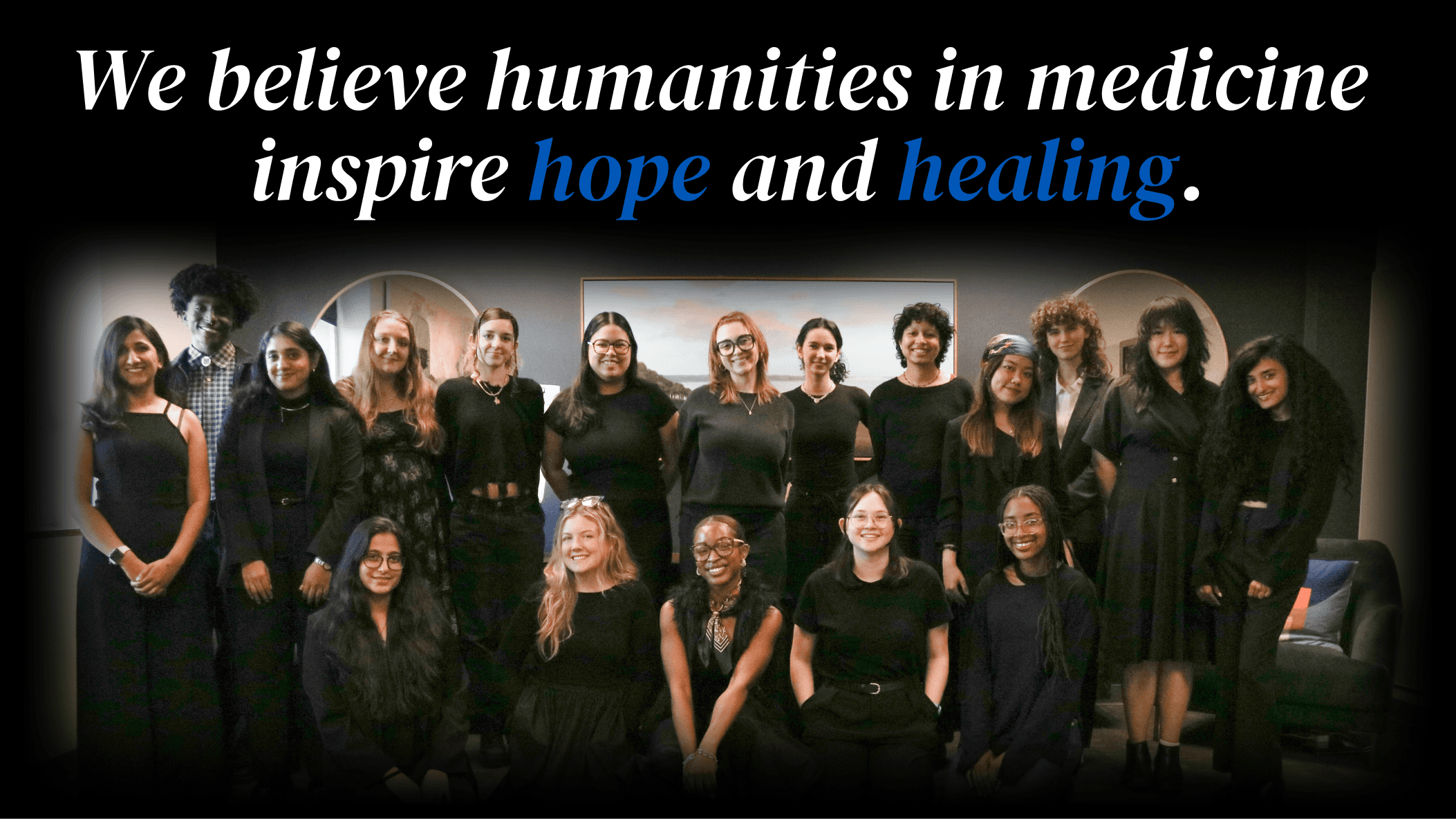
Phase II of the Mayo Clinic Art Experience builds on the foundational tour architecture developed in Phase I, expanding it into a full phygital platform where art, technology, and community work together to support healing. Across ten weeks, a team of 18 designers and researchers refined usability, deepened accessibility, and brought new features to life that extend Mayo Clinic's compassionate care well beyond its physical walls.
Timeline
Research through final tested prototype across 10 weeks, as a direct continuation of Phase I.
Background
Mayo Clinic has one of the most extensive art collections of any healthcare institution in the world, and most of the people inside those buildings never engage with it. Patients navigating difficult diagnoses, visitors trying to stay present for their loved ones, and healthcare professionals managing the emotional weight of demanding roles all move through spaces filled with art that was placed there specifically to help them, and the connection rarely happens. Phase I introduced three themed tour routes as a starting point. Phase II asked a harder question: how do we build a platform that meets every type of user where they are, works across physical and digital spaces simultaneously, and grows with the institution over time? The result is an app experience that transforms a passive art collection into an active part of the healing environment.
Process
We moved through a structured research cycle combining secondary analysis of art therapy literature, persona and journey mapping for three distinct user groups, iterative prototyping across both mobile and broadcast platforms, and structured usability testing with 11 participants, refining features at each stage based on observed behavior and direct client feedback from the Mayo Clinic team.

Research & Planning
Studies consistently show that creative and community-based experiences reduce stress, support emotional healing, improve social connection, and correlate with better health outcomes across patient populations. That body of evidence gave us our mandate, and our primary research helped us understand who we were designing for and what they actually needed.
We defined three user groups whose needs overlap but whose experiences inside Mayo Clinic are fundamentally different. Patients are navigating uncertainty and looking for structured ways to manage their time, reduce anxiety, and feel some degree of control over an environment that rarely offers any. Visitors are managing their own emotional weight while trying to show up for the people they love. Healthcare professionals are sustaining purpose and community inside a role that asks an enormous amount of them every day. Each group needed something distinct from the platform, and the design had to serve all three without flattening any of them.
We mapped these groups into personas with specific behaviors, accessibility needs, and technology comfort levels, then used journey mapping to identify where the current experience was creating friction and where the platform had room to create genuine connection. The findings shaped everything that followed: which features to prioritize, how to frame onboarding, what accessibility requirements were non-negotiable, and how to structure content so that a patient with one hour and a nurse with 5 minutes could both find something meaningful without the same entry point.

Design & Prototyping
Phase II's job was to design an app that give users reasons to stay, explore, and come back. We held every design decision against three questions: Does this reduce a real barrier for someone who is already managing a lot? Does this create a genuine opportunity for connection? And does this honor what Mayo Clinic actually is, which is a place built around the belief that care and humanity belong together?
Accessibility and inclusivity were the first design promises we applied to every screen, every flow, and every feature. Customizable visual and auditory settings, multilingual support, and mobility-adapted tour options were designed into the system architecture as aesthetic decisions were being made. I learned that the platform should adapt to the user, and not the other way around.

Testing & Optimization
Within our testing we kept each persona in mind. We tested with 11 participants spanning the SCAD community, alumni, and people outside the institution entirely, structured across two dedicated teams with designated note-takers, a timekeeper, and a moderator to maintain consistency across every session. What we observed, told us more about how patients, visitors, doctors, and nurses would interact with our product so these insights drove every iteration.
Key observations were:
The breathing exercise was well received but needed clearer timing guidance. Users wanted to know when to inhale and when to exhale without having to interpret an animation. The Garden of Hope section revealed a hierarchy problem: the instruction to "tap a leaf" was present but invisible, which meant most users skipped the interaction entirely and never accessed the feature it was guarding. The navigation within the Leave a Leaf flow had multiple drop-off points where users were unsure what to do next. Each of these was a solvable problem, and we solved it. The onboarding passed with minimal friction, which confirmed that our early design decisions about sequencing and personalization timing were sound.


Development & Implementation
The most structurally significant work in this phase was expanding and refining the tour architecture. Phase I introduced three routes. Phase II added two new tours and created a condensed version of the existing Mayo Building Tour for users who want the experience but cannot manage the full walking route, because accessibility in a healthcare context means designing for the person who is already tired before they start.
The Garden of Hope : The community centerpiece of the platform. Users can leave notes and reflections tied to the app's nature-based visual language, and the feature grows over time as more people contribute. Mayo Clinic's own suggestion to incorporate "hope" into the naming confirmed that this feature was landing the way it was intended.
The Florida Artist Tour: Brings attention to the Jacksonville campus, giving users the opportunity to connect with the art and artists specific to the community they are in. The Philanthropy Tour was born directly from our site visit, where the visible presence of benefactors throughout the buildings prompted us to build a tour that honors their contributions and adds a layer of institutional history the existing routes did not cover.
Mindfulness & Meditation: The breathing exercises and sensory canvas were standalone utilities that users can access independently of the tours, because the platform needed to serve someone who has ten minutes in a waiting room just as well as it serves someone doing a full gallery exploration. The quiz was refined to use warmer, more accessible language throughout, removing clinical framing in favor of language that felt like an invitation rather than an assessment.
The platform was also designed for MCTV compatibility and VR capability for accessibility purposes so, that the patients who cannot move through the clinic, can access the collection from their rooms.

Solution
With research and testing as our foundation, Phase II delivered a platform that gives every person inside Mayo Clinic, regardless of their physical ability, time availability, or emotional state, a way to engage with art that actually meets them where they are with audio descriptions, multilingual support, voice navigation, and mobility-adapted tour routes. We designed for seamless integration across personal devices and MCTV, with a VR-ready UI architecture that positions the platform to extend into fully immersive patient room experiences as the technology matures.
Art Tours Including Everybody
Five tour routes including the Nature Tour, Legacy Tour, Artist Tour, Florida Artist Tour, and Philanthropy Tour, with a condensed Mayo Building option for users who cannot complete the full walking route. Every tour is accessible digitally for patients who cannot move through the space in person.
Garden of Hope
A community-centered feature where patients, visitors, and staff can leave notes and reflections within the app's living, nature-based visual environment. The garden grows with its community, making connection a visible and ongoing part of the platform.
Mindfulness and Breathing Tools
Standalone wellness features including guided breathing exercises, a sensory canvas, and meditation content that users can access at any point in their experience, independent of the tours.
Results
We measured behavior inside the prototype and tracked client feedback across two formal check-ins and weekly informal check-ins because institutional adoption depends as much on organizational alignment as it does on user satisfaction. What we observed and confirmed with the team is where we discovered where the platform was or wasn't working and clarified how we should move forward..
Users Want Community-Centered Features
The Garden of Hope: Generated the most consistent success across both user testing and Mayo Clinic client sessions. Participants gravitated toward it naturally, and the Mayo team specifically confirmed that the feature's emphasis on connection and growth aligned with their institutional values. When people are inside a healthcare environment, the opportunity to leave something for someone else matters more than almost anything the platform could offer them for themselves.
Users Need Accessibility At All Times
The Mayo Clinic team singled out the depth of our accessibility research during our midpoint presentation as a distinguishing factor in our work. In a healthcare context, inclusive design is the foundation of whether the product is taken seriously at an institutional level. Our team built in adjustable text sizes, high-contrast visuals, audio descriptions, multilingual support, and voice navigation features as a must for our users.
Users Need Tours to Be Adapted to Them
Users consistently demonstrated that rigid tour structures did not fit the reality of being inside a healthcare facility. The addition of a condensed tour route, the option to access tours digitally from any location, and the quiz-based personalization flow were all directly validated by how participants moved through the prototype. People want to engage with the collection on their own terms, not on a predetermined schedule that assumes they have the time and mobility to complete it.


